
Overview
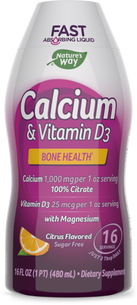
Why use calcium and mineral formulas?
Calcium and other minerals are primary building blocks for bones:†
Bone is living tissue and needs calcium and other important nutrients to support healthy bones and teeth, and support healthy bone density.† Since proper calcium intake can't always be met through diet alone, a strong supplement can make a huge difference.†
Why use OsteoPrime®?
It's designed for complete bone health:†
OsteoPrime® bone formula delivers balanced nutrients to support and maintain healthy bones; including 5 forms of calcium for strong bones and teeth; magnesium to help form new calcium crystals; and zinc, vitamin C, and boron to help form the connective structures of the bone.†
OsteoPrime® uses clinically proven ingredients:
This combination uses ingredients proven to support healthy bones and increase bone density.†
OsteoPrime® is formulated by Jonathan Wright, M.D., and Alan Gaby, M.D.:
Dr. Wright is medical director of the Tahoma Clinic and a regular contributor to Prevention and Let's Live magazines, and Dr. Gaby is President of the American Holistic Medical Association & Medical Editor of The Townsend Letter for Doctors. Their combined expertise created OsteoPrime® bone formula.†
As recommended in Woman's World magazine.
Was this information helpful?
yes
|
no
Technical Data
Description
Formulated with Drs. Alan Gaby and Jonathon Wright, experts on bone health,
OsteoPrime is an exclusive blend of 15 essential vitamins and minerals scientifically proven to impact bone health.
OsteoPrime provides a balanced combination of important nutrients to support and maintain healthy bones and is targeted to work especially well for women during menopause and post-menopausal years.
OsteoPrime:
- Designed in cooperation with Alan Gaby, MD, and Jonathon Wright, MD, experts on bone health
- Combination of 23 bone-supportive ingredients, including five types of calcium and the 15 best studied vitamins and minerals for bone health
- Unique trace minerals not found in other bone health products
- Available in both capsules and tablets
How Does It Work?
Human bones are dynamic living tissues. Much like other organs in the body, bones contain blood vessels (that bring needed nutrients), nerves (for the delivery of information and messages), and specialized cells (osteocytes) that work to maintain its structure. Large amounts of calcium and phosphorus give bones rigidity and strength, while collagen (a fibrous protein) provides flexibility. Cemented together by the minerals magnesium, sodium, and potassium, the primary solid components of bone – calcium, phosphorus, and collagen – require superior nutrition.
1
Similar to skin, bones are continually built up and broken down, rebuilding themselves many times. By regulating minerals, vitamin D, and specific hormones bone maintains a continual balance of bone remodeling. This ongoing process ensures density, strength, and resistance to fracture. 1 The aging process presents significant changes in human bones. 2 As women reach perimenopause and menopause, declining reproductive hormones leave bones vulnerable. 3,4 When men enter their sixth decade, a slow loss of strength in bone occurs. 5
While the nutrients needed to sustain bone health are found in foods, current farming techniques are depleting the soil of many key minerals. Vitamin and mineral intake from food has been shown to be much less than it was a century ago. 6 Agricultural chemicals may interfere with the metabolism of vitamins and minerals. Food preservatives such as ethylenediaminetetraacetic acid (EDTA) may interfere with absorption of vitamins and minerals. 7 Supplementation of key nutrients can help ensure strong bones throughout a lifetime.
OsteoPrime Key Ingredients
While OsteoPrime contains 23 ingredients associated with bone health benefits, the following 15 vitamins and minerals have been the subject of the most extensive research showing their impact on bone health.
Calcium
The most abundant mineral in the body, calcium supports bone health, nerve health, and healthy heart function. There are several calcium salts in nature, each with unique bone supportive benefits. Calcium triphosphate is the most prevalent form of calcium in human bone.8,9 Calcium salts contribute differing quantities of elementary calcium. Some salts contain more elemental calcium, while other forms are easier for the body to absorb. For example, calcium lactate is about 32 percent absorbed while calcium citrate is approximately 30 percent absorbed. By combining a number of different calcium salts in a supplement, absorption and utilization can be optimized.8,9
Research has suggested that supplemental calcium may have superior benefits for the support of healthy bones. 10 A review of fifteen trials, representing 1806 participants, demonstrated that calcium was more effective than placebo in supporting healthy bone density.11 A Harvard study that tracked 78,000 women over a decade demonstrated that those who had higher intakes of dietary calcium were more likely to experience support for bone health than those whose dietary calcium intake was lower.12
Magnesium
More than 50% of the body's magnesium content is in bone; a primary function of magnesium is the regulation of active calcium transport within bone structures. Currently, the American diet contains, on average, only 250 mg of magnesium per day, less than the Recommended Dietary Allowance (RDA) of 420 mg for men and 320 mg for women.13,14 In a study of women taking supplemental magnesium for two years, significant support for healthy bone density was demonstrated.15
Zinc
Zinc is a trace mineral and essential cofactor for enzymes involved in the synthesis of bone matrix.16,20 Studies have shown that the zinc content in bones declines as people age.17 There is also a significant correlation between zinc intake and bone health in both men and women.18
Copper
Through healthy support of collagen, copper may support bone mineral density over time. In clinical research, women taking supplemental copper experienced beneficial effects on bone density.19-21
Manganese
Several trace elements, including manganese are essential in bone metabolism as cofactors for specific enzymes. 14 In a 16-week randomized, double-blind, placebo-controlled crossover trial, manganese provided nutritional support for the bones in the low back and the knee joint. 22
Boron
Boron is an essential nutrient for healthy bones and joints. Clinical research showed boron supplementation supported healthy bone mineral density.23 It is thought that this beneficial support is related to interactions between boron and calcium, magnesium and vitamin D, which is supported by the finding that supplemental boron reduced urinary calcium excretion. 24
Strontium
Found in most plant-based foods, strontium levels in the soil determine how much will be contained in the plant. Recent studies of strontium demonstrated it is a bone supportive mineral. A review of strontium research shows the mineral supports healthy bone remodeling, healthy mineralization of bone tissue, and supports healthy distribution of bone mineralization. 25 Strontium is thought to both support both healthy osteoclasts and healthy osteoblasts in bone. 26
Silicon
Silicon has recently been recognized as an key nutrient that is important in small amounts for bone health. 27 A recent study of over 2800 individuals found that higher dietary silicon intake in men and women supports skeletal health, especially the health of cortical bone (dense compact bone in adults).28
Phosphorus
Phosphorus provides nutritional support of healthy bones. Recent research has shown phosphorus and calcium work together to support healthy mineralization of bones. A research review of over 600 subjects demonstrated the importance of healthy calcium/phosphorus ratios in bone health support. 29 Phosphorus supplementation (when bound to calcium) supports healthy bone formation and soft tissue health. 30
B Vitamins
The results of two studies suggest that taking folic acid, vitamin B6, and vitamin B12 may support bone mineral density by reduction of homocysteine levels. 31,32
- Folic acid
- Homocysteine levels are a variable in healthy bone metabolism.
- Study results show folic acid supports healthy homocysteine levels 33
- Vitamin B6
- May help vitamin K activity in bone metabolism. 34
- Vitamin B12
- Combined with folate, reduced homocysteine levels and supported bone health in both men and women. 35
Vitamin C
Vitamin C supports the healthy formation of procollagen (a precursor to collagen), supports collagen synthesis, and stimulates healthy bone formation.36,37 Clinical research demonstrates that vitamin C supplement use supports healthy bone mineral density. 38 A study of 770 women who took at least 500mg of calcium and vitamin C had support of healthy bone mineral density in the lumbar spine (lower back). 39
Vitamin D
The primary functions of vitamin D are promoting calcium absorption in bone and maintaining normal blood levels of calcium and phosphorus.40 The long-standing belief that adequate vitamin D can be obtained from exposure to sunlight alone is yielding as widespread vitamin D insufficiency and deficiency are reported. 41,42 Research has demonstrated supplementation with vitamin D3 and calcium may be especially important during the winter months. 43
Vitamin K
Vitamin K influences osteocalcin, a protein in bone, to attract calcium and support bone mineralization. 44
- A 3-year, double-blind, placebo-controlled intervention study of 155 women found that vitamin K1 may substantially support bone density.45
- A study within the Nurses' Health Study, studied data from 72327 women between the ages of 38 to 63 and found low intakes of vitamin K was correlated with poor bone density support. 46
The following chart summarizes the key role of each of the other ingredients in OsteoPrime :
| Ingrediend |
Activity |
Calcium
(Lactate 18%)
Calcium
(Krebs Cycle Chelate)
Calcium
(Citrate Carbonate)
Calcium
(Carbonate) Granular
|
Calcium salts contribute differing quantities of elementary calcium. Some salts contain more elemental calcium, while other forms are easier for the body to absorb. For example, calcium lactate is about 32 percent absorbed while calcium citrate is approximately 30 percent absorbed. By combining a number of different calcium salts in a supplement, absorption and utilization can be optimized. 8,9 |
| Chromium (Aspartate) |
Chromium is an essential trace element required to maintain health and optimal physiologic function in bone. Clinical research has found that chromium supports healthy urinary calcium excretion.47-49 |
Molybdenum
(Sodium Molybdate Dihydrate) |
Small amounts of molybdenum are found in nearly all the tissues of the human body, including bone. Adequate levels of molybdenum are necessary for nutritional support of healthy bones and teeth. 50 |
| Betaine HCl |
Betaine is linked to healthy homocysteine levels, a variable in healthy bone metabolism. 51 |
Pantothenic Acid (as Calcium D-Pantothenate)
Vitamin B1 (Thiamine HCl) Niacinamide USP | Members of the B vitamin group, pantothenic acid, vitamin B1, and niacinamide support healthy homocysteine levels, a factor associated with healthy bone mineral density.14,52-54
Riboflavin Supports healthy bone cell functioning; has antioxidant activity. 55,56
Selenium Helps support and maintain physiologic function in bone. 57,58 |
Conclusion
Our OsteoPrime offers a clinical breakthrough in optimal nutrition for balanced bone health. The exclusive formulation is ideal for women in perimenopause and menopause, phases critical to the lifelong health of bones. OsteoPrime 's ingredients are clinically demonstrated to:
- Support and maintain healthy bones and bone structure
- Enhance calcium absorption
- Help keep bones strong and resilient
Recommendations
Four UltraCaps daily, during or after meals.
Precautions
If you are taking Coumadin or warfarin or other prescription drugs, or if pregnant or nursing, consult your healthcare practitioner before using this product.
How Is It Supplied?
Storage Recommendations
Store at controlled room temperature, 59° to 86° F (15 ° – 30 ° C).
References
- Porth CM. Characteristics of skeletal tissue. Pathophysiology: Concepts of Altered Health States. 5th ed. Philadelphia, Pa: Lippincott; 2002: 1311-1317.
- Majumdar SR, Kim N, Colman I, et al. Incidental vertebral fractures discovered with chest radiography in the emergency department: prevalence, recognition, and osteoporosis management in a cohort of elderly patients. Arch Intern Med. 2005;165:905-9.
- Hundrup YA, Hoidrup S, Ekholm O, Davidsen M, Obel EB. Risk of low-energy hip, wrist, and upper arm fractures among current and previous users of hormone replacement therapy: The Danish Nurse Cohort Study. Eur J Epidemiol. 2004;19:1089-95.
- Kleerekoper M. Prevention of postmenopausal bone loss and treatment of osteoporosis. Semin Reprod Med. 2005;23:141-8. Review.
- Peer KS, Newsham KR. A case study on osteoporosis in a male athlete: looking beyond the usual suspects. Orthop Nurs. 2005 May-Jun;24(3):193-9.
- Davis DR, Epp MD, Riordan HD. Changes in USDA food composition data for 43 garden crops, 1950 to 1999. J Am Coll Nutr. 2004;23:669-82
- Quattrucci E, Masci V. Nutritional aspects of food preservatives. Food Addit Contam. 1992;9:515-25.
- Gueguen L, Pointillart A. The bioavailability of dietary calcium. J Am Coll Nutr. 2000;19:119S-136S.
- Sosa M, Bregni C. Metabolism of the calcium and bioavailability of the salts of most frequent use. Boll Chim Farm. 2003;142:28-33.
- Di Daniele N, Carbonelli MG, Candeloro N, Iacopino L, De Lorenzo A, Andreoli A. Effect of supplementation of calcium and vitamin D on bone mineral density and bone mineral content in peri- and post-menopause women; a double-blind, randomized, controlled trial. Pharmacol Res. 2004;50:637-41.
- Shea B, Wells G, Cranney A, et al. Osteoporosis Methodology Group; Osteoporosis Research Advisory Group. Calcium supplementation on bone loss in postmenopausal women. Cochrane Database Syst Rev 2004;(1):CD004526.
- Feskanich D, Willett WC, Colditz GA. Calcium, vitamin D, milk consumption, and hip fractures: a prospective study among postmenopausal women. Am J Clin Nutr. 2003;77:504-11.
- Rude RK, Gruber HE. Magnesium deficiency and osteoporosis: animal and human observations. J Nutr Biochem. 2004;15:710-6. Review.
- Nieves JW. Osteoporosis: the role of micronutrients. Am J Clin Nutr. 2005;81:1232S-1239S.
- Saito N, Tabata N, Saito S, et al. Bone mineral density, serum albumin and serum magnesium. J Am Coll Nutr. 2004;23:701S-3S.
- Alhava EM, Olkkonen H, Puittinen J, Nokso-Koivisto VM. Zinc content of human cancellous bone. Acta Orthop Scand. 1977;48:1-4.
- Relea P, Revilla M, Ripoll E, Arribas I, Villa LF, Rico H. Zinc, biochemical markers of nutrition, and type I osteoporosis. Age Ageing. 1995;24:303-7.
- Hyun TH, Barrett-Connor E, Milne DB. Zinc intakes and plasma concentrations in men with osteoporosis: the Rancho Bernardo Study. Am J Clin Nutr. 2004;80:715-21.
- Walshe JM. Copper: not too little, not too much, but just right. Based on the triennial Pewterers Lecture delivered at the National Hospital for Neurology, London, on 23 March 1995. J R Coll Physicians Lond. 1995;29:280-8.
- Lowe NM, Lowe NM, Fraser WD, Jackson MJ. Is there a potential therapeutic value of copper and zinc for osteoporosis? Proc Nutr Soc. 2002;61:181-5. Review.
- Klevay LM. Lack of a recommended dietary allowance for copper may be hazardous to your health. J Am Coll Nutr. 1998;17:322-6. Review.
- Leffler CT, Philippi AF, Leffler SG, Mosure JC, Kim PD. Glucosamine, chondroitin, and manganese ascorbate for degenerative joint disease of the knee or low back: a randomized, double-blind, placebo-controlled pilot study. Mil Med. 1999;164:85-91.
- Volpe SL, Taper LJ, Meacham S. The relationship between boron and magnesium status and bone mineral density in the human: a review. Magnes Res. 1993;6:291-6. Review.
- Nielsen FH, Hunt CD, Mullen LM, Hunt JR. Effect of dietary boron on mineral, estrogen, and testosterone metabolism in postmenopausal women. FASEB J. 1987 Nov;1(5):394-7.
- Boivin G, Meunier PJ. The mineralization of bone tissue: a forgotten dimension in osteoporosis research. Osteoporos Int. 2003;14 Suppl 3:S19-24. Epub 2003 Mar 18. Review.
- Biskobing DM. Novel therapies for osteoporosis. Expert Opin Investig Drugs. 2003;12:611-21.
- Epstein E. SILICON. Annu Rev Plant Physiol Plant Mol Biol. 1999;50:641-664.
- Jugdaohsingh R, Tucker KL, Qiao N, Cupples LA, Kiel DP, Powell JJ. Dietary silicon intake is positively associated with bone mineral density in men and premenopausal women of the Framingham Offspring cohort. J Bone Miner Res. 2004;19:297-307.
- Heaney RP, Nordin BE. Calcium effects on phosphorus absorption: implications for the prevention and co-therapy of osteoporosis. J Am Coll Nutr. 2002;21:239-44.
- Shapiro R, Heaney RP. Co-dependence of calcium and phosphorus for growth and bone development under conditions of varying deficiency. Bone. 2003;32:532-40.
- McLean RR, Jacques PF, Selhub J, et al. Homocysteine as a predictive factor for hip fracture in older persons. N Engl J Med. 2004 May 13;350(20):2042-9.
- van Meurs JB, Dhonukshe-Rutten RA, Pluijm SM, et al. Homocysteine levels and the risk of osteoporotic fracture. N Engl J Med. 2004 May 13;350(20):2033-41.
- Cagnacci A, Baldassari F, Rivolta G, Arangino S, Volpe A. Relation of homocysteine, folate, and vitamin B12 to bone mineral density of postmenopausal women. Bone. 2003 Dec;33(6):956-9.
- Reynolds TM. Vitamin B6 deficiency may also be important. Clin Chem. 1998;44: 2555-6.
- Sato Y, Honda Y, Iwamoto J, Kanoko T, Satoh K. Effect of folate and mecobalamin on hip fractures in patients with stroke: a randomized controlled trial. JAMA. 2005 Mar 2;293(9):1082-8.
- Falch JA, Mowe M, Bohmer T. Low levels of serum ascorbic acid in elderly patients with hip fracture. Scand J Clin Lab Invest. 1998 May;58(3):225-8.
- Simon JA, Hudes ES. Relation of ascorbic acid to bone mineral density and self-reported fractures among US adults. Am J Epidemiol. 2001;154:427-33.
- Leveille SG, LaCroix AZ, Koepsell TD, Beresford SA, Van Belle G, Buchner DM. Dietary vitamin C and bone mineral density in postmenopausal women in Washington State, USA. J Epidemiol Community Health. 1997 Oct;51(5):479-85.
- Hall SL, Greendale GA. The relation of dietary vitamin C intake to bone mineral density: results from the PEPI study. Calcif Tissue Int. 1998 Sep;63(3):183-9.
- Bischoff-Ferrari HA, Willett WC, Wong JB, Giovannucci E, Dietrich T, Dawson-Hughes B. Fracture prevention with vitamin D supplementation: a meta-analysis of randomized controlled trials. JAMA. 2005;293:2257-64.
- Reginster JY. The high prevalence of inadequate serum vitamin D levels and implications for bone health. Curr Med Res Opin. 2005;21:579-86.
- Calvo MS, Whiting SJ. Overview of the proceedings from Experimental Biology 2004 symposium: vitamin D insufficiency: a significant risk factor in chronic diseases and potential disease-specific biomarkers of vitamin D sufficiency. J Nutr. 2005;135:301-3.
- Malavolta N, Pratelli L, Frigato M, Mule R, Mascia ML, Gnudi S. The relationship of vitamin D status to bone mineral density in an Italian population of postmenopausal women. Osteoporos Int. 2005 Jun 15; [Epub ahead of print]
- Booth SL, Broe KE, Peterson JW, et al. Associations between vitamin K biochemical measures and bone mineral density in men and women. J Clin Endocrinol Metab. 2004;89:4904-9.
- Craciun AM, Wolf J, Knapen MH, Brouns F, Vermeer C. Improved bone metabolism in female elite athletes after vitamin K supplementation. Int J Sports Med. 1998;19:479-84.
- Feskanich D, Weber P, Willett WC, Rockett H, Booth SL, Colditz GA. Vitamin K intake and hip fractures in women: a prospective study. Am J Clin Nutr. 1999;69:74-9.
- Lamson DS, Plaza SM. The safety and efficacy of high-dose chromium. Altern Med Rev. 2002;7:218-35.
- McCarty MF. Anabolic effects of insulin on bone suggest a role for chromium picolinate in preservation of bone density. Med Hypotheses. 1995 Sep;45(3):241-6.
- Lukaski HC. Magnesium, zinc, and chromium nutriture and physical activity. Am J Clin Nutr. 2000;72:585S-93S.
- Titenko-Holland N, Shao J, Zhang L, et al. Studies on the genotoxicity of molybdenum salts in human cells in vitro and in mice in vivo. Environ Mol Mutagen. 1998;32:251-9.
- Gahl WA, Bernardini I, Chen S, Kurtz D, Horvath K. The effect of oral betaine on vertebral body bone density in pyridoxine-non-responsive homocystinuria. J Inherit Metab Dis. 1988;11:291-8.
- Slyshenkov VS, Dymkowska D, Wojtczak L. Pantothenic acid and pantothenol increase biosynthesis of glutathione by boosting cell energetics. FEBS Lett. 2004;569:169-72
- Maggio D, Barabani M, Pierandrei M, et al. Marked decrease in plasma antioxidants in aged osteoporotic women: results of a cross-sectional study. J Clin Endocrinol Metab. 2003;88:1523-7.
- Schaafsma A, de Vries PJ, Saris WH. Delay of natural bone loss by higher intakes of specific minerals and vitamins. Crit Rev Food Sci Nutr. 2001;41:225-49. Review.
- Abrahamsen B, Madsen JS, Tofteng CL, et al. Are effects of MTHFR (C677T) genotype on BMD confined to women with low folate and riboflavin intake? Analysis of food records from the Danish osteoporosis prevention study. Bone. 2005;36:577-83.
- Macdonald HM, McGuigan FE, Fraser WD, et al. Methylenetetrahydrofolate reductase polymorphism interacts with riboflavin intake to influence bone mineral density. Bone. 2004;35:957-64.
- Delilbasi C, Demiralp S, Turan B. Effects of selenium on the structure of the mandible in experimental diabetics. J Oral Sci. 2002;44:85-90.
- Moreno-Reyes R, Egrise D, Neve J, Pasteels JL, Schoutens A. Selenium deficiency-induced growth retardation is associated with an impaired bone metabolism and osteopenia. J Bone Miner Res. 2001 Aug;16(8):1556-63.