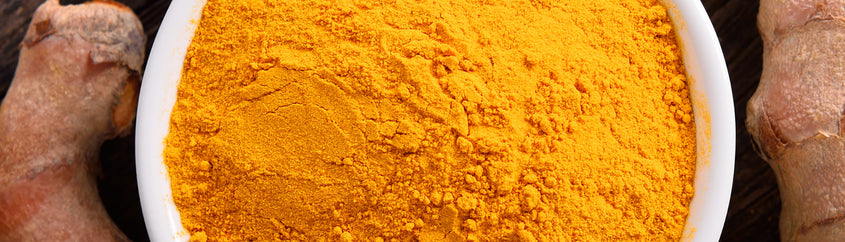

is a psyllium powder that uses True Dispersion technology to provide fiber that safely absorbs and eliminates toxins and supports colon function. The naturally flavored powder mixes easily with water, juice or other liquids.
While some psyllium products may form an insoluble gelatinous mass in the lower intestine, Fiber Fusion's True Dispersion technology ensures the fiber is completely released and dispersed throughout the colon for thorough cleansing. Fiber Fusion is ideal for use between Enzymatic Therapy's Whole Body Cleanse or Simple Cleanse detoxification programs.
Perfect for low-carb lifestyles in which fiber intake is low. Limiting carbohydrates lowers fiber intake and can affect regularity. Fiber Fusion helps supply the roughage a healthy digestive system requires
How Does It Work?
Fiber can be divided into two categories; soluble and insoluble. Soluble fiber is a form of fiber that dissolves in water. It is primarily found in fruits and grains such as oats, apples, carrots, citrus fruits and psyllium. Soluble fiber absorbs water within its matrix (in the case of psyllium, up to fourteen times its weight in water). Fiber promotes laxation and modulates gastric and intestinal physiology. Although human digestive juices can't digest fiber, intestinal flora that normally reside within the colon utilize fiber as a medium for microbial fermentation, resulting in the synthesis of vitamin K and biotin, and the formation of short-chain fatty acids (SCFA). The SCFA that are produced can be absorbed and used for energy by the mucosa of the colon to maintain the health of colon epithelial cells. The effects of SCFA increase fecal matter bulk by supporting a healthier intestinal environment.1,9 Fiber has been demonstrated in numerous clinical studies to provide support of gastrointestinal, cardiovascular, immune, and endocrine function health. 2-13
Dietary guidelines recommend a range of 21 to 38 grams of fiber per day. However, given the prevalence of refined foods in the typical modern diet, most Americans eat an average of 10 to 15 grams daily.14 Fiber Fusion provides 4 grams of fiber per serving, making it perfect for anyone on a low-carb diet, which generally recommends limited fiber intake, affecting regularity. 15
Unlike many detoxification fiber products, Fiber Fusion does not contain clay. 16 Research has shown that clay can deplete the body of healthy natural minerals and may contain high levels of lead and other toxins. The psyllium husk in Fiber Fusion supports the body's natural detoxification process without depleting beneficial nutrients.
Food, fiber and occasional constipation
As food moves through the colon, it absorbs water to form stool. Muscle contractions push the stool through the intestine and toward the colon. By the time stool reaches the colon, it is solid (generally), because most of the water in the intestine has been absorbed. Hard and dry stools associated with constipation occur when the colon absorbs too much water or the colon's muscle contractions are slow, causing the stool to move through the colon too slowly.17
Most people at one time or another experience occasional constipation. It may be due to something as simple as diet, changes in sleep, or daily habits, and is usually quite temporary. In fact, constipation is common enough to affect about 2 million visits to health care professionals every year, often among women who are pregnant or have just given birth.17
Common causes of occasional constipation are:
Medications
Soluble fiber dissolves easily in water and takes on a soft, gel-like texture in the intestines. In fact, many psyllium digestive products do just that as well, not contributing to overall support of digestion, and simply turning into a paste-like mass.
The True Dispersion technology in Fiber Fusion ensures an even dispersal of psyllium throughout the large intestine. Rather than turning into a slow-moving, bulky paste, like some psyllium supplements, it gently scrubs the intestinal wall, absorbing water as it goes.
Psyllium
Psyllium husk is a rich source of concentrated soluble fiber that supports healthy intestinal function. Often used in laxation, psyllium husk provides intestinal lubrication for ease in elimination. In studies, psyllium husk has been shown to absorb up to fourteen times its weight in water and has more reabsorption ability than any other bowel-supporting fiber. Psyllium husk has benefits that extend beyond digestive health. It also supports healthy serum lipid levels that are already within normal limits, healthy blood sugar metabolism that is already within normal limits, healthy blood pressure that is already within normal limits, healthy immune function, and intestinal microflora. 3-7,18,19
For example, in one double blind, placebo-controlled study, psyllium was found beneficial in supporting the retention of healthy cholesterol levels already within normal ranges in 39% of participants. 20
In another triple-blind, crossover study, participants experienced a greater post-meal fullness after given psyllium compared to placebo and/or water. This may be of great benefit to those on a restricted-calorie diet. The total fat intake was significantly lower on the day of the meal after Plantago ovato husk (psyllium) intake compared with water alone. 21
Of course, psyllium is primarily associated with digestive support, which has been widely supported. An open clinical study showed that psyllium intake improved stool consistency compared with wheat bran. 22 Another baseline, placebo-controlled study showed improved stool frequency of 9% and increased fecal bulk by 40% compared with the placebo group. 23
The following list shows some of the benefits associated with psyllium:
| Ingredient |
Benefit |
Psyllium |
In a clinical study, all participants found psyllium to be beneficial in support of healthy blood sugar metabolism.3
Laboratory research shows that cereal fiber intake supports healthy immune function.6
A population-based, multi-center clinical study involving 3588 participants showed fiber intake supports cardiovascular health.12
In a cohort clinical study, whole grain and fiber intake supported healthy blood sugar metabolism in 99% of men participants and 95% of women participants in a 10-year follow up. 13
In a double-blind, placebo-controlled study, psyllium was found to be beneficial in supporting the retention of healthy cholesterol levels already within normal ranges in 39% of participants.20
In a triple-blind, crossover study, participants experienced greater post-meal fullness when compared to placebo or water alone.21
An open clinical study showed that psyllium intake was associated with better digestive support and stool consistency than wheat bran.22
A baseline, placebo-controlled study showed improved stool frequency of 9% and increased fecal bulk of 40%.23
All participants receiving psyllium in a double-blind study showed support of stool transit time vs. only one participant in the placebo group.24
In a single-blind, placebo controlled, randomized crossover study, psyllium supported normal stool transit time.25
In a double-blind placebo controlled trial, 82% of participants receiving psyllium reported support of normal fecal transit time and overall digestive health.26
In a multi-site, randomized, double-blind, parallel-design study, psyllium supported normal stool transit time, increased water content, and weight vs. control group.27
|
Recommendations
One teaspoon, one to three times daily. Mix with water, juice or your favorite beverage and drink immediately. Use 8 to 12 ounces of liquid, or more, for desired consistency. As it is natural for the mixed product to become thicker with time, continue to add liquid as needed to maintain the consistency you want.
Precautions
If pregnant or nursing, consult with your health care practitioner prior to use.
How Is It Supplied?
- 09030;4.9 oz Powder Drink Mix
Storage Recommendations
Store at controlled room temperature, 59° to 86°F (15°-30°C).
References
- Nick GL. Psylium. In: Clinical Purification: A Complete Treatment and Reference Manual. Brookfield, Wis: Longevity Through Prevention Books; 2001: 183-190.
- Oliver SD. The long-term safety and tolerability of ispaghula husk. J R Soc Health. 2000;120:107-11.
- Sierra M, Garcia JJ, Fernandez N, Diez MJ, Calle AP. Therapeutic effects of psyllium in type 2 diabetic patients. Eur J Clin Nutr. 2002;56:830-42.
- Jenkins DJ, Kendall CW, Vuksan V, et al. Soluble fiber intake at a dose approved by the US Food and Drug Administration for a claim of health benefits: serum lipid risk factors for cardiovascular disease assessed in a randomized controlled crossover trial. Am J Clin Nutr. 2002;75:834-9.
- Burke V, Hodgson JM, Beilin LJ, Giangiulioi N, Rogers P, Puddey IB. Dietary protein and soluble fiber reduce ambulatory blood pressure in treated hypertensives. Hypertension. 2001;38:821-6.
- Alabaster O, Tang Z, Shivapurkar N. Dietary fiber and the chemopreventive modulation of colon carcinogenesis. Mutat Res. 1996;350:185-97.
- Mortensen PB, Clausen MR, Bonnen H, Hove H, Holtug K. Colonic fermentation of ispaghula, wheat bran, glucose, and albumin to short-chain fatty acids and ammonia evaluated in vitro in 50 subjects. JPEN J Parenter Enteral Nutr. 1992;16:433-9.
- Kanauchi O, Mitsuyama K, Araki Y, Andoh A. Modification of intestinal flora in the treatment of inflammatory bowel disease. Curr Pharm Des. 2003;9:333-46.
- Grodner M, Anderson SL, DeYoung S. Fiber. In: Foundations and Clinical Applications of Nutrition: A Nursing Approach. St. Louis, Mo: Mosby; 2000: 102-108.
- Bingham SA, Day NE, Luben R, et al. European Prospective Investigation into Cancer and Nutrition. Dietary fibre in food and protection against colorectal cancer in the European Prospective Investigation into Cancer and Nutrition (EPIC): an observational study. Lancet. 2003;361:1496-501.
- Peters U, Sinha R, Chatterjee N, et al. Prostate, Lung, Colorectal, and Ovarian Cancer Screening Trial Project Team. Dietary fibre and colorectal adenoma in a colorectal cancer early detection programme. Lancet. 2003;361:1491-5.
- Mozaffarian D, Kumanyika SK, Lemaitre RN, Olson JL, Burke GL, Siscovick DS. Cereal, fruit, and vegetable fiber intake and the risk of cardiovascular disease in elderly individuals. JAMA. 2003;289:1659-66.
- Montonen J, Knekt P, Jarvinen R, Aromaa A, Reunanen A. Whole-grain and fiber intake and the incidence of type 2 diabetes. Am J Clin Nutr. 2003;77:622-9.
- “Guidelines for good nutrition.” From MayoClinic.com. Available at http://www.mayoclinic.com/invoke.cfm?objectid=03653D0C-535A-4173-B87C8C3E1C28133B. Accessed on May 17, 2004.
- “Popular diets: The good, the bad and the iffy.” On MayoClinic.com. Available at: http://www.mayoclinic.com/invoke.cfm?objectid=5F0EFE07-2043-411C-A49B407640B28BFE. Accessed May 21, 2004.
- Lehne RA. Laxatives. In: Pharmacology for Nursing Care. 3rd ed. Philadelphia, Pa: W.B. Saunders; 1998: 787-792.
- “Constipation.” From National Digestive Diseases Information Clearinghouse, a service of the National Institute of Diabetes and Digestive and Kidney Diseases (NIDDK). Available at http://digestive.niddk.nih.gov/ddiseases/pubs/constipation/index.htm. Accessed on May 17, 2004.
- Anderson JW, Allgood LD, Lawrence A, et al. Cholesterol-lowering effects of psyllium intake adjunctive to diet therapy in men and women with hypercholesterolemia: meta-analysis of 8 controlled trials. Am J Clin Nutr. 2000;71:472-9.
- Bianchi M, Capurso L. Effects of guar gum, ispaghula and microcrystalline cellulose on abdominal symptoms, gastric emptying, orocaecal transit time and gas production in healthy volunteers. Dig Liver Dis. 2002;Suppl 2:S129-33.
- Sprecher DL, Harris BV, et al. Efficacy of psyllium in reducing serum cholesterol levels in hypercholesterolemic patients on high- or low-fat diets. Ann Intern Med. 1993;119(7 pt 1):627-8.
- Turnbull WH, Thomas HG. The effect of a plantago ovata seed containing preparation on appetite variables, nutrient and energy intake. Int J Obes Relat Metab Disord. 1995;19(5):338-42.
- Holz J, Plein K. Effectiveness of plantago seed husks in comparison with wheat bran on stool frequency and manifestations of irritable colon syndrom with constipation. Med Klin (Munich). 1994;89(12):645-51.
- Ashraf W, Park F, Lof J, Quigley EM. Effects of psyllium therapy on stool characteristics, colon transit and anorectal function in chronic idiopathic constipation. Aliment Pharmacol Ther. 1995;9(6):639-47.
- Tomas-Ridocci M, Anon R, et al. The efficacy of Plantago ovata as a regulator of intestinal transit. A double-blind study compared to placebo. Rev Esp Enferm Dig. 1992;82(1):17-22.
- Cheskin LJ, Kamal N, et al. Mechanisms of constipation in older persons and effects of fiber compared with placebo. J Am Geriatr Soc. 1995;43(6):666-9.
- Prior A, Whorwell PJ. Double blind study of ispaghula in irritable bowel syndrome. Gut. 1987;28(11):1510-3.
- McRorie JW, Daggy BP, et al. Psyllium is superior to docusate sodium for treatment of chronic constipation. Aliment Pharmacol Ther. 1998;12(5):491-7.